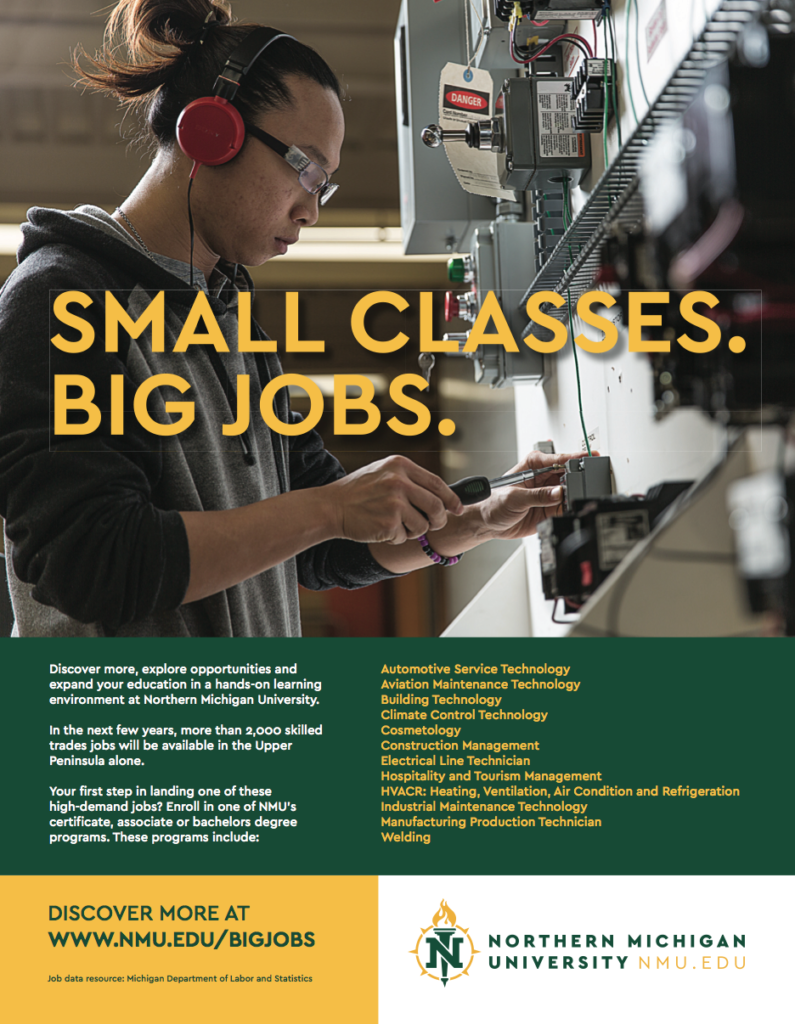
Choosing whether to pursue a traditional college degree in 2025 can feel overwhelming, especially as the job market continues to evolve and tuition costs remain high. Many people still see college as the safest path to a stable career, while others believe skills, certifications, and experience now matter more than a diploma. The truth sits somewhere in the middle, because the value of a degree depends heavily on your goals, your field of interest, and your financial situation. As industries shift toward tech, digital careers, and remote work, understanding the long-term benefits and drawbacks becomes important before committing several years to academic study.
Advantages of Earning a College Degree
A traditional degree still provides strong credibility in many industries, which can influence employment opportunities and salary levels. Employers in fields such as engineering, medicine, finance, and education continue to prioritize applicants with formal academic backgrounds because they associate degrees with discipline, structured learning, and foundational knowledge. A degree can also create long-term earning potential, since graduates generally have access to more senior roles and career advancement. Beyond income, college offers networking opportunities, internships, and exposure to diverse ideas, which help students develop critical thinking and communication skills that remain valuable regardless of industry changes.
When a Degree May Not Be the Best Path
Even though degrees offer benefits, they are not always the most practical choice for everyone. Tuition costs have risen consistently, making affordability a major concern for students who may not want to take on long-term debt. Some fields, especially creative, digital, and technical trades, now value hands-on experience and certifications more than formal education. In these areas, skills learned through short courses, apprenticeships, or self-directed study can open doors faster and at a lower cost. Another factor is job market saturation, where too many graduates compete for limited positions, making it harder to secure employment immediately after school.
Factors to Consider Before Making Your Decision

The decision to pursue a college degree requires an honest assessment of your strengths, financial situation, and long-term goals. It helps to research expected salaries, job stability, and growth opportunities in the field you want to enter. Understanding the total cost of tuition, housing, and other expenses allows you to weigh the financial investment against expected returns. Thinking about how you learn best is also important, because some individuals thrive in structured environments while others excel through practical work or specialized training. By evaluating market demand, your personal interests, and the realities of career advancement, it becomes easier to decide whether a traditional degree aligns with your plans.
A traditional college degree is still worth it in 2025 for many people, especially those pursuing careers that require specialized knowledge or formal qualifications. However, it is no longer the only route to success and should not be chosen automatically without considering personal and financial factors. With the rise of alternative learning paths, the best choice is the one that supports your long-term goals and provides the balance of skills, experience, and credibility you need. When approached thoughtfully, your decision will position you for growth in a changing job market.


 Is a Traditional College Degree Still Worth It in 2025?
 Unlocking Learning: How Insights From Neuroscience Can Transform Education
 Film Critics 101: Skills, Challenges, Educational Routes, and Career Paths
 Cinematic Careers: Exploring Opportunities in Movie Production
 From Flexibility to Personalized Learning: Exploring the Effectiveness of Online Courses