Imagine a classroom where every student is not only engaged but thriving, their brains firing on all cylinders as they absorb knowledge like never before. This isn’t just a dream; it’s the potential reality unveiled by groundbreaking discoveries in neuroscience. As we dive into the intricate workings of the human brain, we’re uncovering invaluable insights that could revolutionize education as we know it. From understanding how emotions influence learning to harness the power of neuroplasticity, these scientific advancements are paving the way for innovative teaching strategies and personalized learning experiences. Join us on this journey to explore how tapping into our brain’s hidden potential can unlock unprecedented pathways to educational success—transforming classrooms into vibrant hubs of discovery and growth.
The Brain’s Incredible Ability to Learn
The brain is an incredibly adaptive organ, constantly reorganizing and rewiring itself in response to new experiences. This concept, known as neuroplasticity, highlights the brain’s ability to form new connections and strengthen existing ones. In the context of education, understanding neuroplasticity is crucial. It means that the brain is capable of learning at any age and can continue to improve over time with the right stimuli.
Educators can leverage this by using teaching strategies that encourage active learning and engagement. When students are actively involved, such as through hands-on activities, problem-solving tasks, or collaborative projects, the brain forms stronger neural connections, making learning more effective. This shows that the way information is presented is just as important as the content itself.
The Role of Emotions in Learning
Emotions play a significant role in how we learn and retain information. When we’re emotionally engaged, our brains are more likely to remember the material. This is why teachers need to create a positive and emotionally supportive environment. When students feel safe, valued, and motivated, they are more likely to absorb and retain information.
Additionally, understanding that emotions can either help or hinder learning can guide how educators approach classroom dynamics. For instance, stress and anxiety can hinder memory and cognitive function, while positive emotions like excitement or curiosity can enhance focus and learning. This means that creating a classroom environment that fosters emotional well-being is just as important as the academic material being taught.
Sleep and Memory Consolidation

We all know that sleep is essential for health, but did you know it’s also vital for learning? The brain consolidates memories during sleep, which means that adequate rest is necessary for students to retain what they’ve learned. Studies have shown that students who get enough sleep perform better on tests and are more able to recall information when needed.
Understanding the brain’s need for sleep should influence how schools approach homework and test schedules. Instead of pushing students to stay up late cramming, educators could focus on ensuring students get a full night’s rest before big exams or important lessons. A good night’s sleep improves attention, problem-solving skills, and long-term memory—factors that are all critical to learning.
The Importance of Movement in Learning
Another interesting insight neuroscience provides is the role of movement in learning. The brain benefits from physical activity, as it increases blood flow and oxygen to the brain, which in turn boosts cognitive function. Research has shown that incorporating movement into lessons—whether through short breaks, interactive learning activities, or even standing desks—can help improve focus, memory, and overall brain function.
Teachers who encourage students to move, stretch, or engage in physical activities during the school day help activate different areas of the brain that are essential for learning. This is particularly helpful for younger children or students with attention challenges, as movement can help them refocus and re-engage with the lesson.
Teaching to Different Learning Styles

Not every student learns the same way. Some are visual learners, others are auditory, and some are kinesthetic, meaning they learn best through physical movement and hands-on experiences. Neuroscience has shown that the brain processes different types of information in different ways, and each individual’s brain may favor one method over another.
By understanding these different learning styles, educators can tailor their teaching methods to address the diverse needs of their students. For example, visual learners might benefit from diagrams and videos, auditory learners may excel with lectures and discussions, and kinesthetic learners may thrive with interactive, hands-on projects. This personalized approach helps all students engage more deeply with the material and increases their chances of success.
As we learn more about the brain and how it functions, it becomes clear that understanding these processes can profoundly improve education. From the importance of sleep and emotions to the need for movement and personalized learning, neuroscience offers valuable insights into how students learn best. By integrating these principles into the classroom, educators can create an environment that supports brain health and enhances learning.…


 Is a Traditional College Degree Still Worth It in 2025?
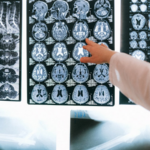 Unlocking Learning: How Insights From Neuroscience Can Transform Education
 Film Critics 101: Skills, Challenges, Educational Routes, and Career Paths
 Cinematic Careers: Exploring Opportunities in Movie Production
 From Flexibility to Personalized Learning: Exploring the Effectiveness of Online Courses